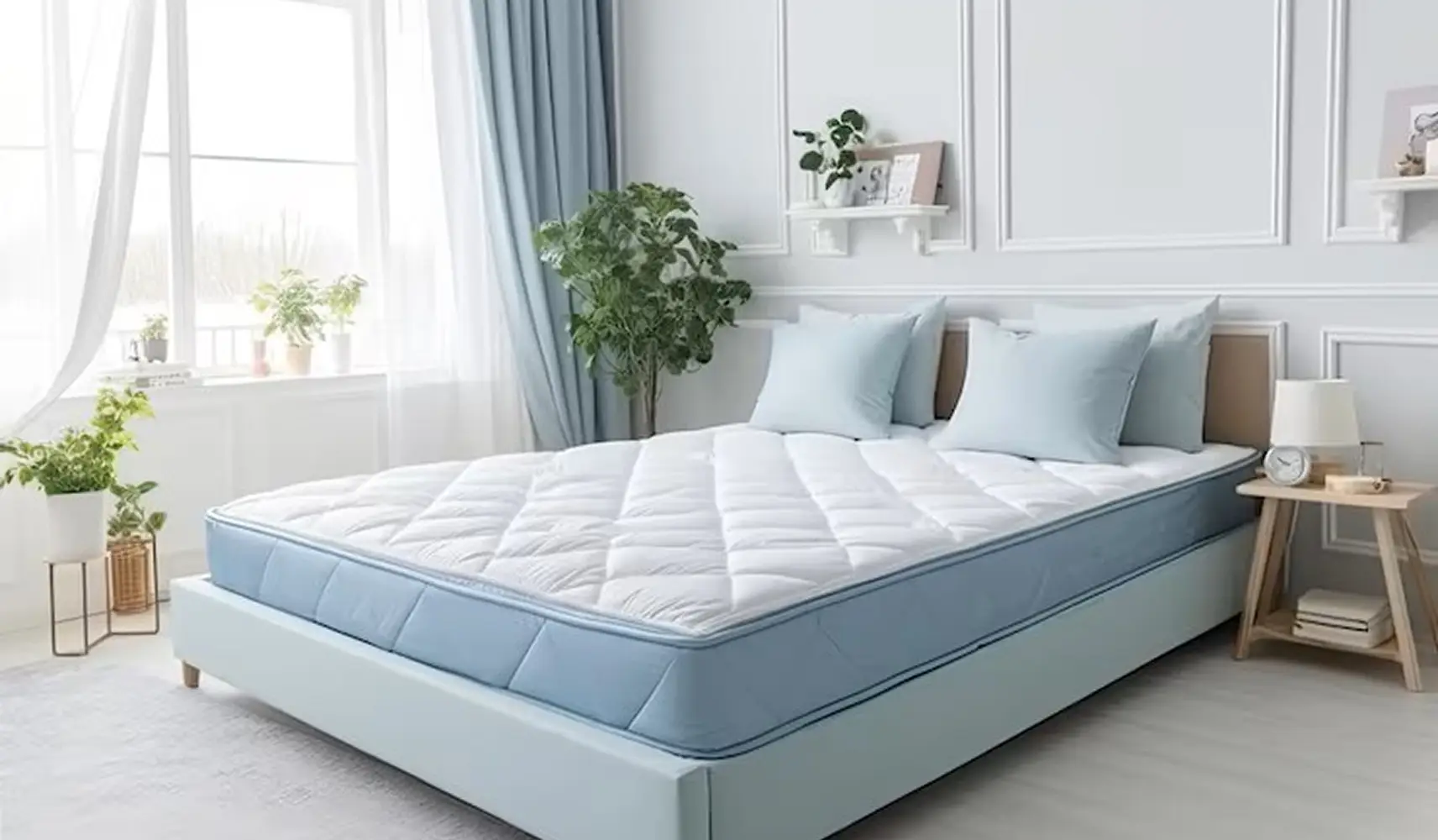
Memory Foam vs. Spring Mattress: Which One Is Right for You?
Choosing the right mattress can be tricky, especially when faced with two of the most popular options: memory foam and spring mattresses. Both types have their loyal fans and unique benefits, but which one is the best fit for your sleep needs?
At SleepVision, we believe that finding the perfect mattress starts with understanding what makes each type special. Let’s break down the key differences to help you decide.
What Is a Memory Foam Mattress?
Memory foam mattresses are made from viscoelastic foam that responds to body heat and pressure, molding perfectly to your shape. This allows the mattress to distribute weight evenly, relieve pressure points, and provide customized comfort.
Key Benefits:
- Excellent pressure relief: Perfect for those with back or joint pain.
- Motion isolation: Ideal for couples, you won’t feel your partner moving.
- Body contouring comfort: Cradles your body for a “hugging” feel.
- Quiet sleep: No creaking or spring noise.
Things to Consider:
- Can trap heat (unless it’s cooling gel-infused).
- Slightly slower to respond to movement.
At SleepVision, our cooling gel-infused memory foam mattresses solve the heat issue while maintaining that luxurious comfort and support.
What Is a Spring Mattress?
Spring mattresses (or innerspring mattresses) are made with coils that provide bounce and firm support. They have been around for decades and are known for their traditional feel and durability.
Key Benefits:
- Firm and bouncy support: Great for those who prefer a more traditional feel.
- Enhanced airflow: The coil design promotes breathability and cooler sleep.
- Affordable options: Generally budget-friendly and long-lasting.
Things to Consider:
- May transfer motion, not ideal for light sleepers.
- Springs can wear out over time, causing sagging.
- Less contouring support compared to memory foam.
SleepVision’s premium spring mattresses are engineered with high-quality coils and cushioning layers that reduce motion transfer while enhancing longevity.
- Prefer a soft, hugging feel.
- Have back or joint pain.
- Share your bed and want less motion transfer.
- Prefer a firmer, more traditional feel.
- Sleep hot and need better airflow.
- Want more bounce and support for your spine.